A group of revered sages once set out on a sacred journey shaped by years of devotion, discipline, and spiritual study. Through deep penance and careful study of the scriptures, they had prepared themselves for what they believed was their highest goal: reaching Vaikuntha, the divine abode of Vishnu. Vaikuntha was known as a realm beyond the material world, untouched by sorrow, fear, or desire, where ego has no place and only pure devotion exists.
For these sages, the journey to Vaikuntha was not merely a physical passage, but the final stage of their spiritual growth. After years of effort and long travel, the sages at last stood before the golden gates of Vaikuntha.
But what they saw there stopped them.
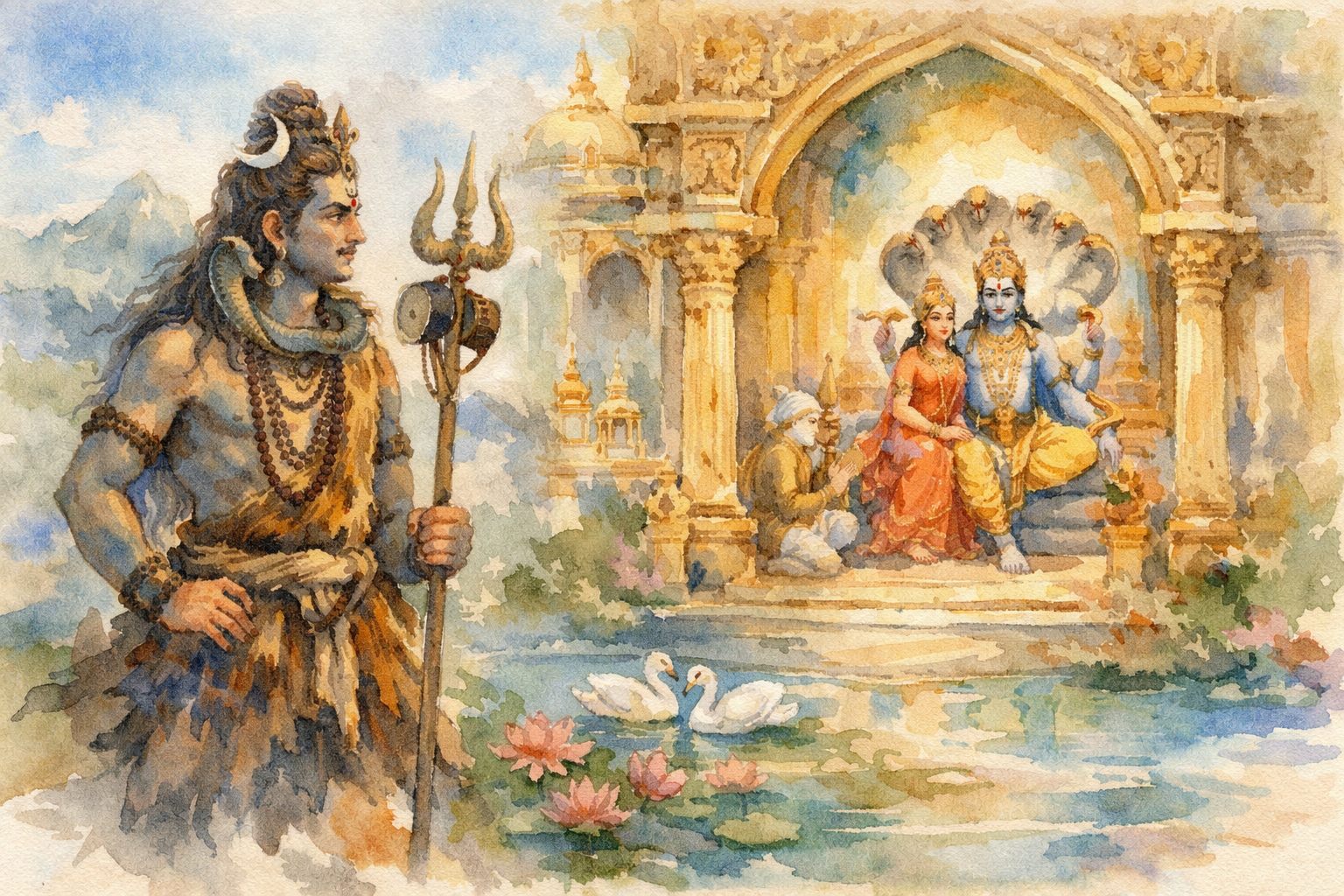
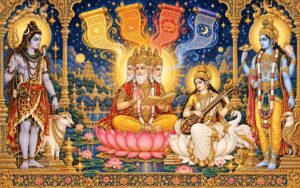
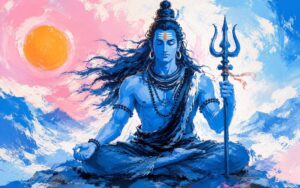
Standing at the entrance was Shiva.
Not in deep meditation. Not dancing the Tandava. But standing alert, calm, and watchful, like a guardian.
The sages were confused.
“This is Vishnu’s realm,” they said. “Why is Mahadeva standing at the gates of Vaikuntha?”
Shiva looked at them with compassion and replied softly.
“Vaikuntha is not protected by walls or weapons,” he said. “It is protected by freedom from ego.”
He explained that many seek Vishnu with pride in their knowledge, power, or devotion. But Vaikuntha cannot be entered with even the smallest trace of arrogance.
“My role,” Shiva said, “is to dissolve what does not belong.”
The sages understood. They bowed their heads, letting go of pride and identity. Only then did Shiva step aside.
The gates opened.
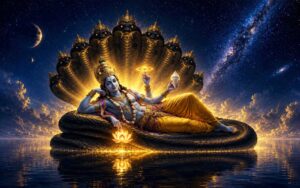
Inside, Vishnu was waiting, smiling gently, as if he had always known this moment would come.
There was no surprise. No hierarchy. Only harmony.
The Deeper Meaning of This Story.
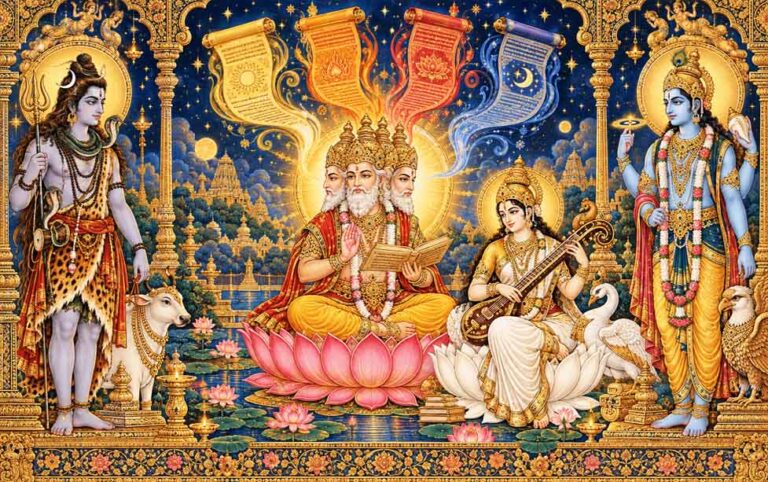
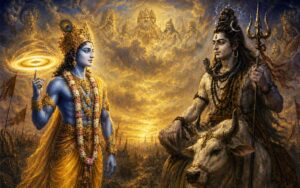
This story is not about rivalry between gods. It is about spiritual balance.
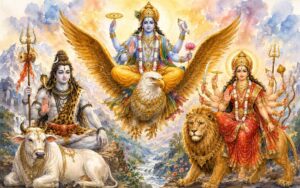
Vishnu represents preservation, compassion, and order.
Shiva represents detachment, purification, and release.
To reach Vishnu’s grace, one must first pass through Shiva’s silence.

 By
By